 Elysia
Sustainability
in action


More of our customers are choosing to read books and research online instead of in print.
In 2025, nearly half of Taylor & Francis’s books were sold as ebooks.
For customers who still want printed books, we are working to reduce their environmental impact.
Instead of printing large numbers of books in advance, we now print many of them more exactly when and where they are sold. This is called print-on-demand.
This means fewer books are unsold and fewer need to be transported long distances.


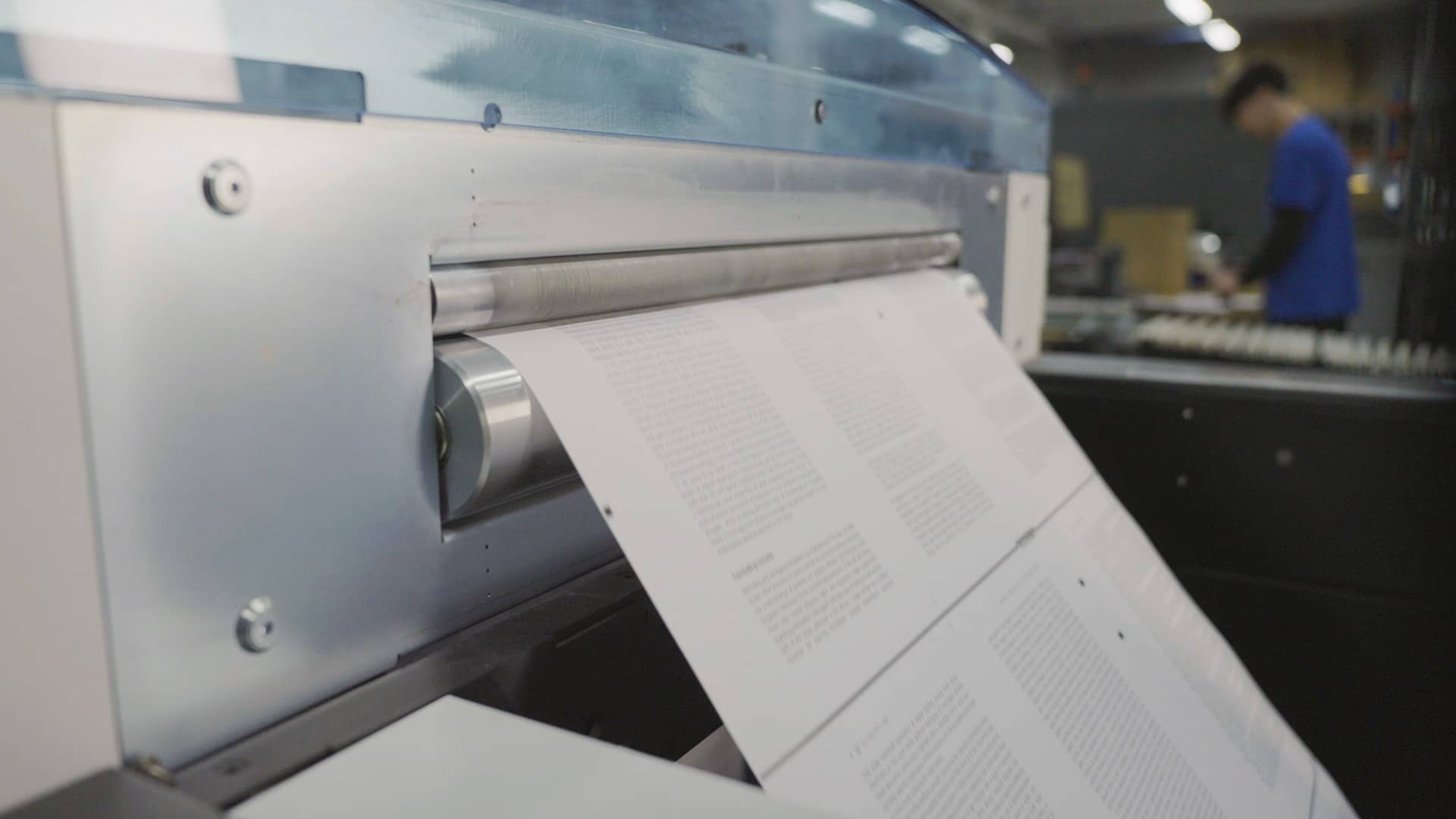
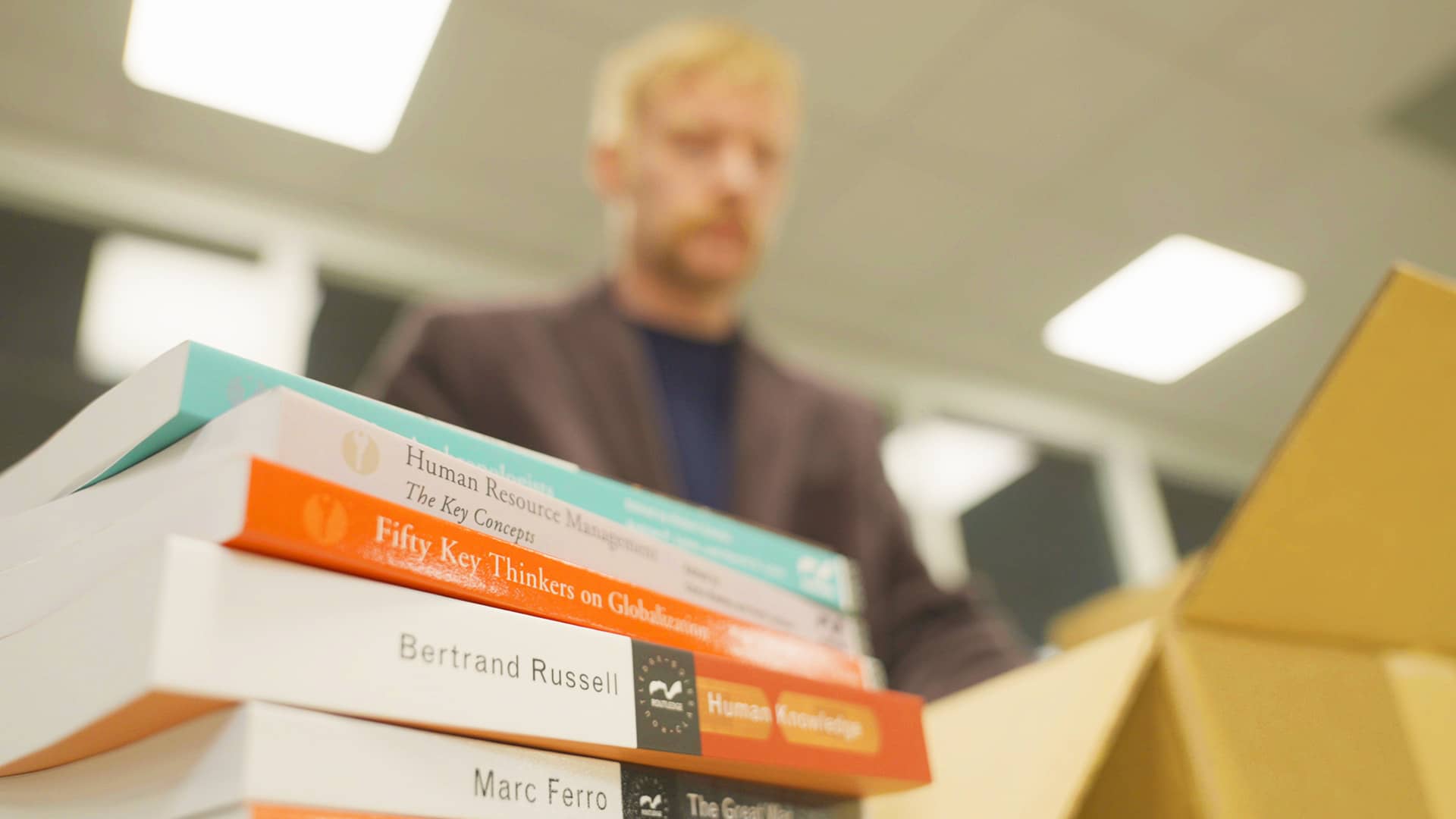
We also work with printing partners around the world, so books can be printed closer to where they are used.
This helps reduce delivery times and costs.
Since 2019, these changes have reduced the carbon we use in printing and distributing printed books and journals by nearly 40%.
This is one example of how we are making our products more sustainable and reducing waste.
More and more of our research customers choose to buy content in digital formats: ebooks, access to online journal and article platforms and the tools built into them, data, code and multimedia formats, and more.
In 2025, 46% of Taylor & Francis’s books were sold as ebooks.
For the times when customers choose a printed version, we’ve worked hard to reduce its carbon footprint while bringing extra benefits at the same time.
Over the last five to ten years, we’ve established and expanded a successful print-on-demand programme that reduces the carbon emissions from printing, packaging and transporting physical copies of books and journals.
Products are produced in line with demand, which also reduces product waste from any unsold stock.
We’ve increased our network of printing partners across our major markets, so that copies are also printed closer to where they are needed rather than shipped from a central location. This has also reduced delivery times and costs.
These steps have helped us reduce the carbon emissions from our printed books and journals by nearly 40% since 2019.
It’s one example of how sustainability is built into how we operate and into our products, so that the impact of what we do is as positive as possible. It’s also a way we’re meeting our broader FasterForward goals to continuously reduce product-related waste and our carbon emissions.
Taylor & Francis has long taken an agile approach to serving customers.
Digital consumption of research content continues to increase. In 2025, 46% of Taylor & Francis’s book sales were in ebook format.
While we are a fully digital business, some customers – mainly customers of our book products – choose to purchase these in a printed format.
For customers who opt for printed versions, we have long established programmes to reduce the environmental impact of physical books and journals while delivering additional benefits.
This includes our print-on-demand programme, which minimises the carbon emissions associated with printing, packaging and transportation by producing products more closely in line with demand, reducing waste from unsold stock.
To deliver this, we have expanded our network of printing partners across major markets, so that physical copies are printed closer to their destination, reducing delivery times, transportation costs and associated emissions.
These initiatives have led to a nearly 40% reduction in carbon emissions from printed books and journals since 2019, aligning with our broader FasterForward goals, which include reducing product-related waste and carbon emissions across our operations as we continue to grow as a business.